Shutter Repair Near Me: What Can Be Fixed?
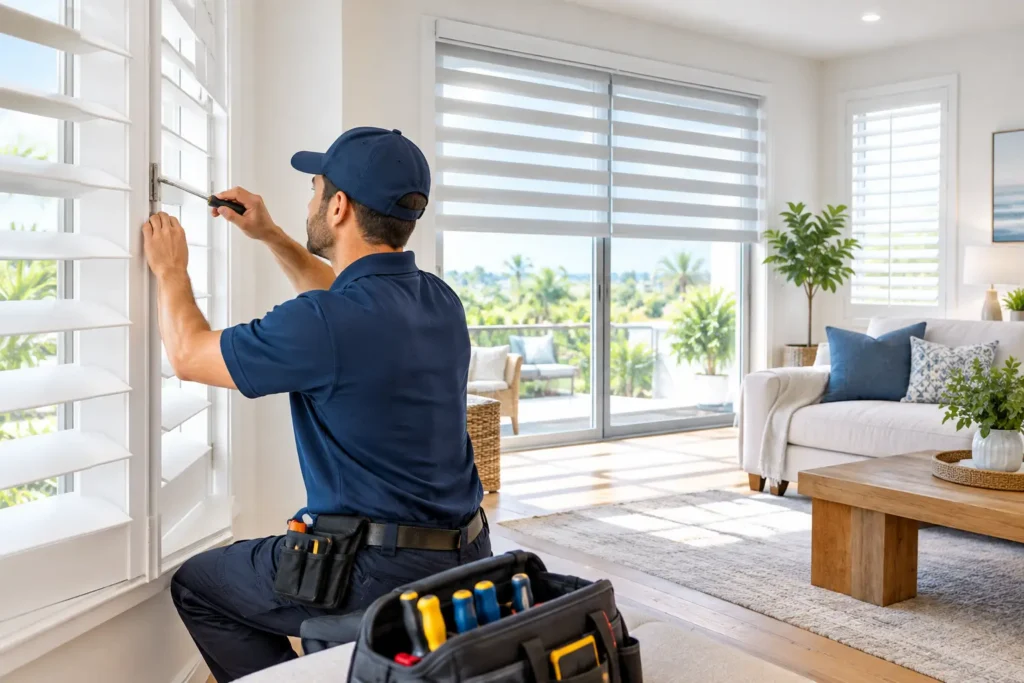
A shutter that will not stay open, a louver that droops, or a tilt rod that has come loose can make an otherwise nice window look tired fast. When you search for shutter repair near me, the main question is usually simple: can this be fixed without replacing the whole shutter? In many cases, yes.
Plantation shutters are made of separate working parts. That is good news for homeowners, because a failed magnet, hinge, louver staple, or tilt rod does not automatically mean the entire panel is done. The right repair depends on what is broken, the shutter material, and whether replacement parts can be matched to the existing setup.
Start by Finding the Actual Problem
It is easy to blame the whole shutter when only one small part has failed. Before ordering a part or scheduling a repair, open and close each panel slowly. Move the louvers from fully open to fully closed. Look for a part that is loose, missing, cracked, or rubbing where it should not.
A louver that falls out of position is often a tension problem. Each louver pivots on small pins or staples at the side of the panel. Over time, those points can loosen, especially on frequently used shutters or windows where kids and pets tend to lean on the louvers. A technician can often reset or replace the hardware and restore the proper resistance.
If several louvers move unevenly, the tilt rod may be disconnected. The tilt rod is the vertical piece that lets you adjust a row of louvers together. A loose connector may only need to be reattached. If the rod is cracked or warped, replacing it may be the cleaner fix.
Panels that swing open or refuse to stay shut are usually dealing with hinges or magnets. Loose hinge screws, worn hinges, shifted frames, and weak magnets are all common repair items. They are frustrating, but they are usually more manageable than replacing a full shutter unit.
Problems That Are Often Repairable
Most routine shutter repairs involve moving hardware rather than the shutter frame itself. Loose louvers, broken louver staples, detached tilt rods, worn magnets, damaged hinges, and missing hardware can often be repaired with the right parts.
A cracked louver can sometimes be replaced individually if its size, shape, material, and color can be matched. This is more likely with common white shutter styles than with older custom finishes. Matching is not always perfect, particularly when existing shutters have faded slightly from sunlight or are no longer made by the original manufacturer.
Wood shutters can sometimes be repaired when there is a small split or surface damage. Composite and vinyl-style shutters are different. They do not always respond well to patching once a large section has cracked. A good repair should look clean and hold up to normal use, not just hide damage for a few weeks.
When Shutter Repair Is Better Than Replacement
Repair is usually the better choice when the shutter panels are straight, the frame is secure, and the problem is limited to hardware or one or two damaged pieces. It keeps a matching window treatment in place and avoids replacing shutters that are otherwise doing their job.
It also makes sense when a repair is needed after a move, a curious pet, or a child pulling on a tilt rod. These are common household accidents, not necessarily signs that the shutters were poorly made.
Replacement becomes more reasonable when panels are badly warped, the material is brittle throughout, several louvers are broken, or replacement parts are unavailable. Sometimes the labor required to rebuild an older panel is close to the effort of making a new one. In that situation, a new custom panel may give you a better result and a better long-term fit.
There is also the appearance factor. One repaired louver may be fine on a utility room window. On a front room window with a clear view from the street, a slight color difference may bother you. It depends on where the shutter is located and how closely you want the repair to match.
What to Check Before You Call for Shutter Repair Near Me
A few simple details can make a repair visit or parts order go more smoothly. Take clear photos of the full shutter, the damaged area, and the hardware around it. Photograph the panel from the front and side when possible. If a part has fallen off, keep it instead of throwing it away.
Measure carefully if you are looking for a replacement louver or hardware. Measure the louver length from end to end, its width, and its thickness. For a tilt rod, measure the length and note the spacing between the louver connection points. Also note whether the shutter is wood, composite, or another material.
You do not need to be an expert to collect useful information. The goal is to avoid guessing. Two shutters can look similar while using different pin sizes, staple styles, hinge finishes, or louver widths. A part that is almost right can create another problem.
If the shutter was already installed when you bought the home, look inside the panel edge or frame for a manufacturer label. It may help identify the material or system. Still, do not worry if there is no label. An experienced shutter repair professional can often identify the hardware by seeing the shutter in person.
A Few Repairs Homeowners Can Handle
Simple tasks, such as tightening an accessible hinge screw or snapping a loose tilt rod connection back into place, may be reasonable DIY jobs. Work slowly and support the louver or panel while you do it. Overtightening screws can strip the mounting point, particularly in older wood or composite material.
Cleaning is also worth doing before assuming a louver is stuck. Dust buildup around pivot points can make louvers feel stiff. Use a soft cloth or a vacuum with a brush attachment first. Avoid soaking the shutter or spraying lubricants directly onto louvers and frames. Excess moisture can affect wood, while oily sprays attract more dust and can stain surrounding surfaces.
Be cautious with repairs involving staples, spring-loaded pins, or a cracked louver. These parts need to line up precisely for the louvers to move together. Forcing them can damage the stile, which is the vertical side piece of the panel. A small hardware repair can turn into a larger panel repair if the surrounding material splits.
How to Keep Repaired Shutters Working Well
Once a shutter is fixed, gentle everyday use makes a difference. Open the louvers before swinging a panel open whenever possible. This reduces stress on the louvers and tilt rod. Close panels with the handle area or frame rather than pushing on the middle of a louver.
Dust shutters regularly with a dry microfiber cloth. For light marks, use a barely damp cloth and dry the area right away. Wood shutters need the most care around moisture. Even moisture-resistant materials benefit from being kept clean rather than scrubbed with harsh household cleaners.
If you notice a louver starting to sag or a magnet getting weak, deal with it early. Small adjustments are generally easier than waiting until a part breaks completely. The same goes for loose hinges. A panel that starts rubbing against the frame can eventually wear the finish or put unnecessary strain on the hardware.
Get a Clear Answer Before Replacing Anything
The best repair decision comes from seeing the shutter, identifying the failed part, and being honest about the condition of the rest of the panel. Sometimes the fix is a small part and a careful adjustment. Other times, replacing a single panel is the better way to get your window looking and working right again.
Shutters Up 360 helps homeowners throughout California with shutter repairs, replacement parts, and custom replacement shutters when repair is not the right answer. For a clear assessment, book a free in-home quote at shuttersup360.com or call or text (916) 595-1657.