Plantation Shutter Replacement Parts That Fit
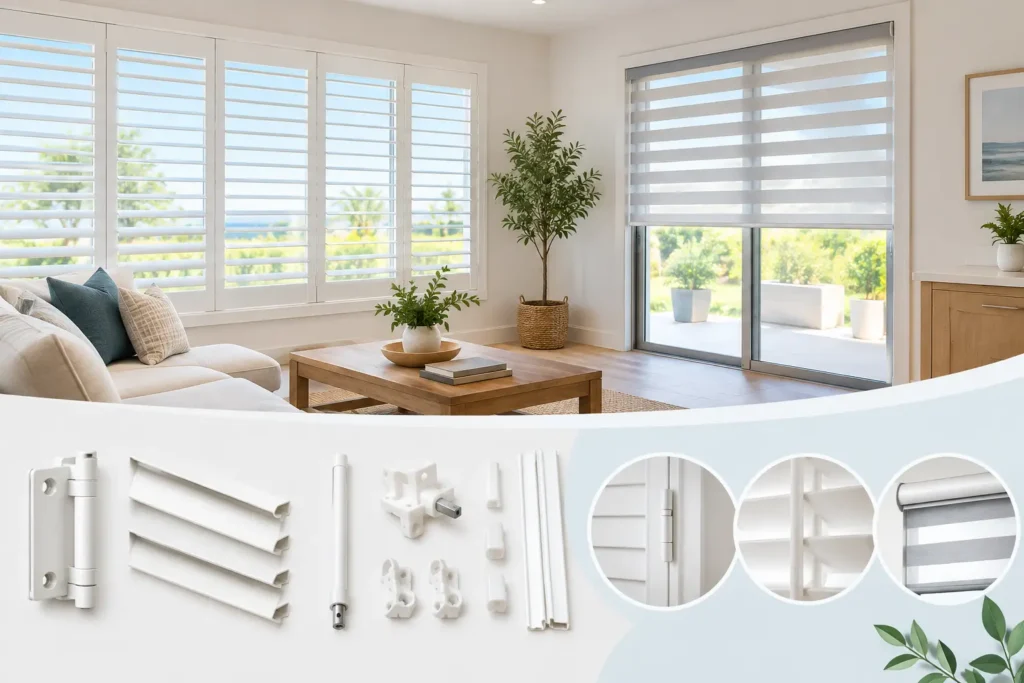
A shutter can look like it needs to be replaced when the real problem is one small piece. A loose louver, cracked tilt rod, missing magnet, or worn hinge can make an otherwise good panel frustrating to use. The right plantation shutter replacement parts can often bring it back to normal without replacing every shutter in the room.
That said, parts are not one-size-fits-all. Shutters are built with different louver sizes, frame styles, materials, pin locations, and connection systems. Ordering a part that looks close in a photo can leave you with a piece that does not fit, match, or move correctly. A little measuring upfront saves time and usually saves money.
Start by Finding the Actual Problem
Before looking for a replacement part, open and close the panel and move the louvers slowly. The first visible problem is not always the only one. For example, a louver that will not stay open may have a worn tension screw or pin, not a damaged louver. A panel that will not stay closed may need an adjusted magnet or catch rather than a new hinge.
Look for whether the issue affects one louver, one panel, or several shutters in the home. If several louvers are sagging or flopping at once, the shutter may have a broader tension or alignment issue. If a single louver is broken after a pet bumped it or a child pulled on it, a targeted repair is usually the sensible route.
Take clear measurements before removing anything. Measure louver width from top to bottom, not just the visible face width. Note the panel thickness, the diameter and placement of louver pins, and whether the shutter has a front-mounted tilt rod, a hidden tilt system, or individual louvers that move separately. Photos of the part and the full panel are also helpful when identifying a match.
Common Plantation Shutter Replacement Parts
Most shutter repairs come down to a handful of hardworking pieces. Each has a different job, and the right fix depends on how your shutters are built.
Louvers and Louver Pins
Louvers are the horizontal blades that control privacy and light. They can crack, warp, or snap when they are pulled too hard, especially near the ends where the louver connects to the panel. A replacement louver needs to match the width, thickness, shape, color, and pin placement of the original.
The pins themselves matter just as much. A louver pin holds the blade in the stile, or side frame of the shutter panel. When a pin breaks or slips out, the louver may droop, fall forward, or come loose altogether. In some cases, replacing a pin is simple. In others, the hole in the louver or stile has worn out and needs a more careful repair.
Tilt Rods and Connectors
A traditional tilt rod is the vertical bar on the front of the shutter panel that moves several louvers together. It may come loose from its staples, crack in the middle, or separate from one louver connection. Hidden tilt systems have no visible front bar, but they still use small connectors or internal mechanisms to keep louvers moving together.
Tilt rod repairs can be straightforward when the rod is intact and only a staple or connector has failed. If the rod is cracked or warped, replacing it may be better than trying to glue it. Glue can hold for a while, but it often fails again once the louvers are opened and closed repeatedly.
Hinges, Magnets, and Catches
If a shutter panel sags, rubs the frame, or will not close squarely, inspect the hinges first. Loose screws, worn hinge leaves, and panels that have settled over time can all affect how the shutter operates. Sometimes a hinge adjustment is enough. If the hinge is bent, damaged, or no longer matches the panel, replacement is the better answer.
Magnets and catches keep panels closed. A weak magnet can let a panel drift open, while a missing catch can make it feel like the shutter never quite lines up. These parts are small, but placement matters. A magnet installed even slightly off can pull the panel out of alignment or leave a gap.
Panels and Frames
A broken shutter panel does not automatically mean every shutter needs replacement. If the frame is solid and the surrounding panels match, replacing one panel can be a practical repair. The challenge is getting the new panel to match the existing material, louver size, color, and hinge layout.
This is where older shutters can be more complicated. White is not always the same white, and materials can fade slightly over time in sunny rooms. A close match may be possible, but it depends on the age and construction of the shutters. For a highly visible front window or a large bank of panels, replacing multiple matching panels may create a cleaner finished look.
Why Matching Parts Matters More Than It Seems
A shutter part does more than fill a missing spot. It affects the way the panel opens, closes, and looks from across the room. A louver that is a fraction too narrow can leave uneven gaps. A pin in the wrong location can keep the louver from rotating freely. Hardware in the wrong finish can stand out on a clean white panel.
Material is another factor. Wood, composite, vinyl, and MDF-based shutters use different construction methods and can react differently to heat, moisture, and everyday use. A part designed for one type may not work well in another. This is especially true for large louvers, hidden tilt systems, and shutters that have been installed for many years.
If you are buying parts for a do-it-yourself repair, do not rely only on the overall window size. The part must fit the panel and its moving components. Measure the damaged piece, compare connection points, and keep any broken hardware until you have confirmed the replacement is correct.
When a DIY Repair Makes Sense
A do-it-yourself repair can work well when the problem is clearly isolated and the part is easy to access. Replacing a missing magnet, reattaching a loose tilt rod staple, or swapping a simple louver pin may be manageable for a careful homeowner with the right match.
Work slowly, particularly around louver ends and panel stiles. Forcing a pin into place or overtightening a screw can create a larger problem than the original repair. It also helps to support the louver while working so pressure is not transferred to the neighboring louvers.
DIY repair is less appealing when the shutter is high, wide, heavy, or tied into a larger alignment issue. Panels can be awkward to remove, and one adjustment may affect the spacing of the entire opening. Hidden tilt systems also require more care because the working parts are not visible from the front.
When to Call for Shutter Repair
Professional help is usually worthwhile when a panel has sagged, the frame has shifted, multiple louvers are loose, or a replacement part needs to be custom matched. It is also a good choice if the shutter is under warranty or if you are unsure what material and system you have.
A repair visit can identify whether the problem is a part, installation alignment, worn hardware, or damage inside the panel. That distinction matters. Replacing a magnet will not fix a panel that is sagging on its hinges, and replacing one louver will not solve a whole row of loose tension points.
For homeowners who are deciding between repair and replacement, the condition of the rest of the shutters should guide the choice. If the panels are solid, operate smoothly, and match the room, repair is often the better value. If there is widespread damage, heavy discoloration, moisture swelling, or several failing panels, replacement may make more sense.
Keep Repaired Shutters Working Longer
Once a repair is complete, gentle operation goes a long way. Move louvers with the tilt rod or designated control point rather than pulling individual louvers from one side. Dust regularly with a soft cloth or brush attachment, and avoid soaking shutters with water or harsh cleaners.
Check hinges and magnets occasionally, especially on frequently used doors and large panels. Catching a loose screw or a weakening magnet early is much easier than waiting until a panel begins rubbing the frame or a louver breaks.
If you need help identifying plantation shutter replacement parts, matching a damaged panel, or deciding whether repair is worth it, Shutters Up 360 can help. Book a free in-home quote at shuttersup360.com or call or text (916) 595-1657.