Plantation Shutters Sacramento Homeowners Can Trust
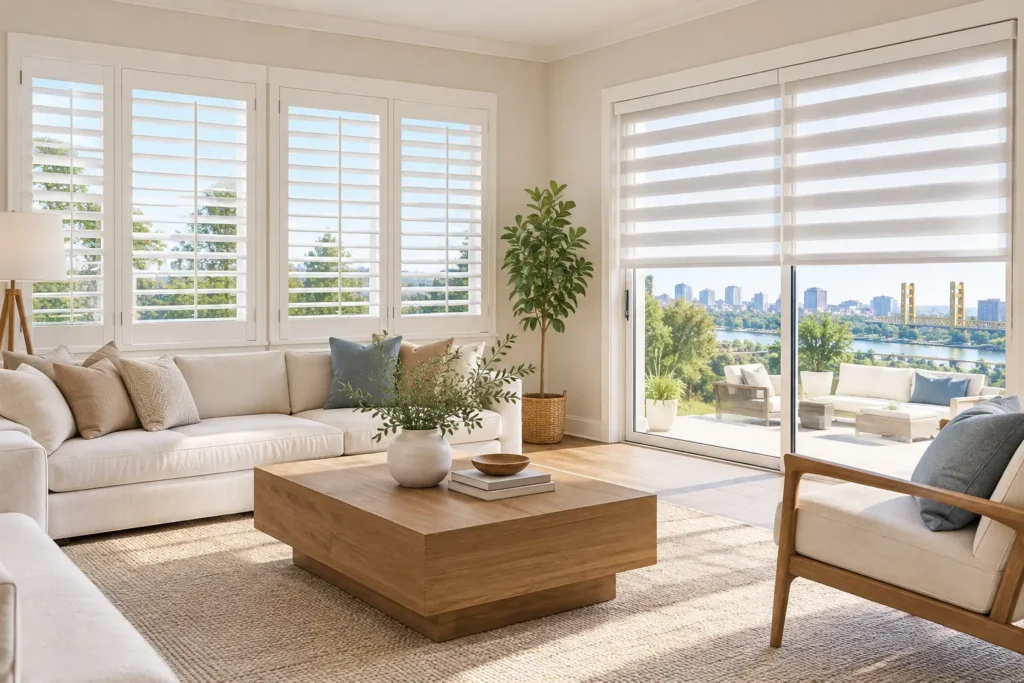
A west-facing Sacramento window can look great at 9 a.m. and feel like a heat lamp by late afternoon. That is one reason plantation shutters Sacramento homeowners choose need to do more than look good. They should give you practical control over glare, privacy, and airflow while fitting the window properly enough to operate smoothly for years.
The best choice is not always the most expensive-looking shutter or the one with the biggest louvers. It comes down to the room, the window shape, the material, and how you use that space every day. Here is what we ask homeowners to think through before ordering custom shutters.
Start With How the Room Is Used
Plantation shutters are a permanent-looking window treatment, and that is part of their appeal. They frame the window, keep a clean finished appearance, and do not need cords or fabric panels hanging into the room. But each room has different needs.
In a front living room, many homeowners want daytime privacy without making the room feel closed off. Adjustable louvers work well here because you can angle them upward or downward to bring in light while blocking a direct view inside. In a bedroom, the goal may be better light reduction and privacy. In a kitchen or bathroom, moisture resistance and easy cleaning usually matter more than a furniture-style finish.
Before a quote, stand in the room at the time of day that bothers you most. Notice where the sun lands, whether neighbors can see in, and whether you need frequent access to the window. Those details affect panel layout, louver size, divider rails, and material choice.
Choose Materials for the Window, Not Just the Look
Most homeowners are choosing between wood and composite shutters. Both can be attractive when they are measured and installed well, but they are not interchangeable.
Wood shutters have a warm, classic appearance and can be a good fit for larger openings or rooms where a natural wood finish is part of the design. They are generally lighter than composite materials, which can be helpful on wide panels. Wood does need sensible care, though. Constant moisture, condensation, or harsh direct sun can be tougher on any painted or stained finish over time.
Composite shutters are popular in Sacramento-area homes because they offer a painted, clean look and stand up well to everyday use. They are often a practical choice for bathrooms, laundry rooms, kitchens, and sunny rooms. The trade-off is weight. A large opening may need more panels or a different configuration so the shutters remain easy to open and do not put unnecessary stress on the hinges.
There is no single best material for every house. A good installer will look at the window size, room conditions, and desired finish before steering you toward one option.
Louver Size Changes More Than the View
Louvers are the horizontal slats that tilt open and closed. Their size affects both the view out and the look of the shutter.
Smaller louvers create a more traditional, detailed look. They can make sense on smaller windows or homes with a classic style. Larger louvers give a cleaner, more open view when tilted up. They are common in newer homes and rooms where homeowners want to see more of the yard, trees, or natural light.
Bigger is not automatically better. On a narrow window, very large louvers can look out of proportion. On a window with a strong afternoon sun exposure, wider louvers may still allow more light between slats depending on their angle. During an in-home measurement, it helps to hold actual samples up to the window instead of trying to decide from a small online picture.
Panel Layout Matters on Wide Windows
A wide window is not usually covered by one enormous shutter panel. Panels need to open, close, and stay aligned without sagging. Splitting a wide opening into two, three, or four panels often makes operation easier and gives you better access to the glass.
The layout should also match how you use the window. If you regularly open one side for fresh air, it makes sense to have a panel that opens in that direction. If the window is behind a sofa or bed, a fixed configuration may be simpler. The right answer depends on access, not just symmetry.
Know What Shutters Can and Cannot Do for Heat and Light
Closed shutters create an extra barrier at the window and can help reduce the feeling of direct sun in a room. Angling the louvers upward is useful when you want daylight to bounce toward the ceiling instead of hitting the floor or television screen. That makes shutters especially helpful in bright family rooms and offices.
They are not blackout shades, however. Light can still pass around the frame, between louvers, and at panel edges. If you need the darkest possible bedroom, shutters may work best with another window treatment, or you may prefer a blackout roller shade. For a room where you want flexible light control rather than total darkness, shutters are often a strong fit.
Shutters also provide privacy, but the louver angle matters. At night, with interior lights on, take a quick look from outside before assuming a partly open shutter fully blocks the view. Closing the louvers gives the most privacy.
When Zebra Shades or Blinds Make More Sense
Plantation shutters are a long-term upgrade, but they are not the only good answer. Zebra shades, also called dual shades, use alternating sheer and solid bands to give a softer, modern look. They are a nice option when you want filtered light, privacy adjustments, and a lower-profile treatment that does not cover the window trim.
Roller shades can be a better fit when you want a simple clean line, stronger light blocking, or easy operation on a large sliding door. Blinds can make sense for a budget-conscious project, a rental, or a space where the window treatment may need to be changed more often.
The main difference is feel and function. Shutters become part of the room and can add a finished architectural look. Shades and blinds are usually lighter visually and may offer more fabric and color choices. A free in-home quote is useful because you can compare samples against your wall color, flooring, and window trim instead of guessing.
Existing Shutters May Need a Repair, Not Replacement
If your shutters are already installed but do not work like they used to, do not assume the whole set has to come down. Many common problems are repairable.
A loose louver may need its tension adjusted. A broken tilt rod, worn staple, missing magnet, damaged hinge, or cracked louver can often be replaced. Panels that will not stay closed may simply need a magnet adjustment or a new catch. Children, pets, movers, and everyday use can all cause small issues that make an otherwise solid shutter feel worn out.
Matching a replacement part is easier when you know the shutter material, louver size, and a few measurements. Take clear photos of the broken area and measure the louver or hardware before ordering anything. If a panel is warped, water-damaged, or from a discontinued product line, repair may be less straightforward. An honest assessment should tell you whether a parts repair makes sense or whether replacing a panel is the cleaner solution.
What a Good In-Home Quote Should Cover
A proper shutter quote starts with measuring more than the width and height of the glass. The installer should check the window opening, trim depth, handle clearance, sill shape, frame condition, and whether the window tilts in. Those details determine how the shutter frame sits and whether panels will open without hitting nearby walls, faucets, or furniture.
You should also see real samples and talk through the operating plan. Ask which panels will open, where divider rails will fall, how the shutters will be mounted, and what warranty applies. If you are comparing materials, ask why one is recommended for that particular opening. Clear answers now prevent surprises later.
Local manufacturing can also make a practical difference. Shutters Up 360 builds custom plantation shutters in its local shop, which can shorten turnaround time compared with an order that has to move through a large national supply chain. Just as important, a local team can be there if a louver, hinge, or panel needs attention after installation.
A well-fitted shutter should feel simple to use: panels swing without rubbing, louvers tilt evenly, and magnets hold the panels closed without a hard slam. That everyday ease is usually the sign that the measuring and installation were done right.
If you are considering new shutters, comparing shades, or trying to save an existing set with a repair, start with the actual window and the way your household uses it. Book a free in-home quote at shuttersup360.com, or call or text (916) 595-1657 for straightforward help with your next step.