Your In Home Quote Guide for Window Coverings
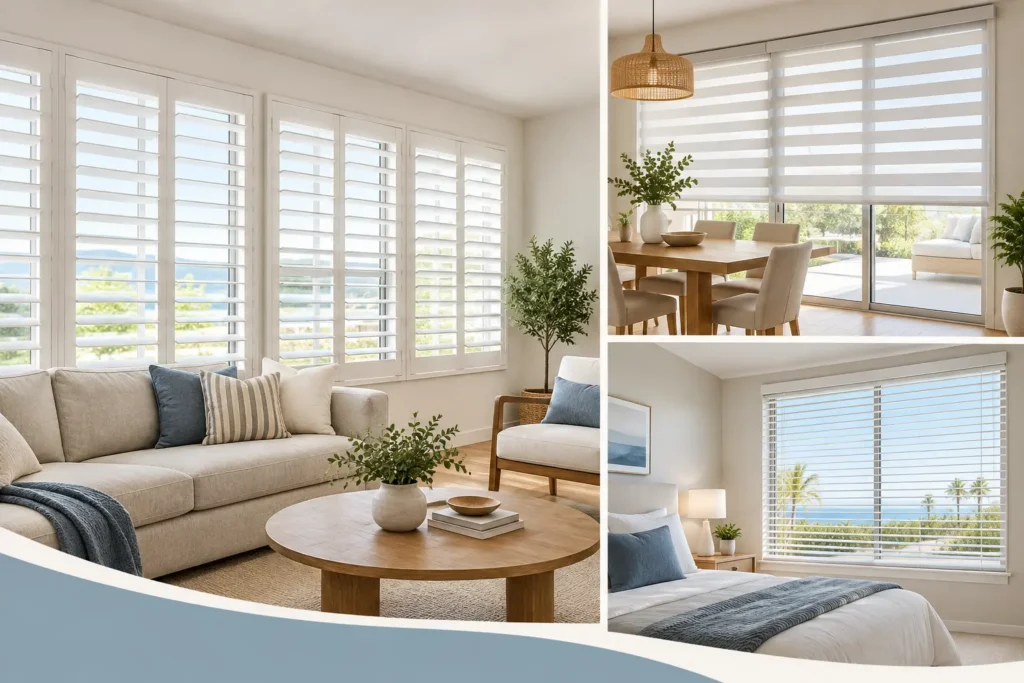
A good in home quote guide should make the decision easier, not turn your living room into a sales pitch. For window coverings, seeing the actual windows matters. Light direction, trim depth, furniture placement, window handles, and the colors already in the room can all change what will work best.
A free visit also gives you something an online estimate cannot: accurate measurements and a chance to operate real samples. You can see how a shutter louver tilts, how a zebra shade shifts from filtered light to privacy, or how a blind stack sits when raised. Those small details are often where homeowners decide what they will be happiest living with every day.
What an in-home quote should include
The first job is listening. Before anyone measures, they should ask what you want the window covering to do. Is privacy the main concern because a window faces a neighbor? Are you trying to soften afternoon sun in a west-facing room? Do you need an easy-to-clean option for a kitchen, or a durable one for kids and pets?
From there, each window should be measured individually. Even windows that look identical can vary by enough to affect fit. For plantation shutters, the installer should check the opening width and height, the depth of the frame, the condition of the surrounding trim, and whether anything may interfere with opening the panels. For inside-mounted shades and blinds, depth and clearance matter just as much.
You should also expect to see samples in the room where they will be installed. A white shutter can look warmer or cooler depending on wall paint and daylight. Fabric shades can appear very different in a sunny family room than under showroom lighting. Hold samples against the wall, near the trim, and by the furniture before choosing a color.
A clear quote should explain what is included: the type of product, the number of panels or shades, mounting style, finish or fabric selection, and installation. If a window needs a different solution from the others, that should be explained plainly rather than buried in a total.
Prepare for your window-covering quote
You do not need to clean the house or move every piece of furniture. It does help to clear access around the windows so measurements can be taken safely and accurately. If there is a sofa, bed, or large desk directly in front of a window, simply point out what can and cannot be moved before installation.
Think about how you use each room. A bedroom may need stronger privacy and better light blocking. A front living room may call for a cleaner, more finished look that still lets daylight in. A sliding door may need a treatment that is easy to use several times a day.
It also helps to collect a few answers before the appointment. Are you planning to repaint soon? Are existing curtains staying? Do you want every window treatment to match, or are you comfortable using shutters in main rooms and shades in bedrooms? There is no one right answer. Mixing products can be a smart way to put more of the budget where appearance and durability matter most.
Compare shutters, zebra shades, and blinds in the actual room
Plantation shutters are a strong choice when you want a permanent, tailored look and dependable light control. Adjustable louvers let you direct light upward or downward while keeping much of the view and airflow. They are also easy to wipe down, which makes them practical in busy homes and for people who would rather not deal with fabric dusting.
The trade-off is that shutters are a larger investment than many basic blinds, and their panel layout needs to suit the window. Wide windows, odd shapes, deep sills, and frequently used doors all need to be planned carefully. Custom shutters are not a product where a quick guess produces a good result.
Zebra shades offer a different look. Their alternating sheer and solid fabric bands allow you to move between filtered light and privacy with one shade. They work well in contemporary rooms, on windows where you want a softer treatment, and where a lower-profile look is preferred. They do not provide the same rigid, built-in appearance as shutters, and fabric requires a gentler cleaning routine.
Blinds can be a practical option when straightforward coverage and budget are the priority. They come in several materials and can suit utility spaces, rentals, or rooms where you need a simple solution. The details still matter. Slat size, cord or wand operation, mounting depth, and the way the blind raises should all be checked before ordering.
A hands-on quote is useful because you can compare these choices side by side. You may walk into the appointment expecting shutters everywhere and decide zebra shades make more sense in a particular room. Or you may see how much a quality shutter finish improves a front-facing window and choose to prioritize that area first.
Questions worth asking during the appointment
A local installer should be comfortable answering direct questions. Ask how the product will fit your specific window, how it will operate, and what routine care it needs. If you are considering shutters, ask where they are made, what the panels and louvers are made from, and how repairs are handled if something gets damaged later.
For any treatment, ask what the final look will be from inside the room and from the street. Ask whether the window can still be opened easily, whether the treatment will clear handles and locks, and how much of the glass it covers when raised or opened. These are practical questions, not picky ones.
Timing is another fair question. Custom work involves measuring, building or ordering, and scheduling installation. A good company will give you a realistic expectation rather than a vague promise. Shutters Up 360 builds custom plantation shutters in its local shop, which can make the process quicker than waiting on a large national supplier, but every job still deserves careful measuring and installation.
When a repair makes more sense than replacement
Not every shutter problem means you need new shutters. Loose louvers, a broken tilt rod, worn louver tension, missing magnets, damaged hinges, and a panel that will not stay closed can often be repaired. This is especially common in homes with active kids, pets, or shutters that have been in place for years.
During an in-home visit, a technician can determine whether the issue is a simple part replacement or a sign of more serious panel damage. A loose louver may only need tension adjustment. A broken connector may need a new part. If the shutter is warped, severely cracked, or no longer fits because the surrounding window area has changed, replacement may be the better long-term choice.
Repair is often the sensible route when the existing shutters still match the room, operate well overall, and have solid panels. It saves material, preserves a finished look, and avoids replacing more than is necessary. The honest answer depends on the condition of the shutter and whether matching parts are available.
What happens after you choose
Once you select a product, the measurements and specifications should be reviewed before the order or build begins. This is the time to confirm color, louver size, divider rails, panel layout, fabric, operating direction, and any special details. A few extra minutes here can prevent disappointment later.
On installation day, the goal is a clean fit and smooth operation. Shutter panels should open and close without rubbing, louvers should tilt evenly, and magnets should hold where they are supposed to. Shades and blinds should raise, lower, and align properly. Before the installer leaves, operate everything yourself and ask how to clean it and what to do if a part ever needs attention.
Your windows are part of daily life, not just a design choice. Take the quote as a chance to get clear answers, see the options in your own light, and choose a solution that fits the way your home actually works. When you are ready, book a free in-home quote with Shutters Up 360, or call or text (916) 595-1657.