Which Window Treatments That Block Heat Work?
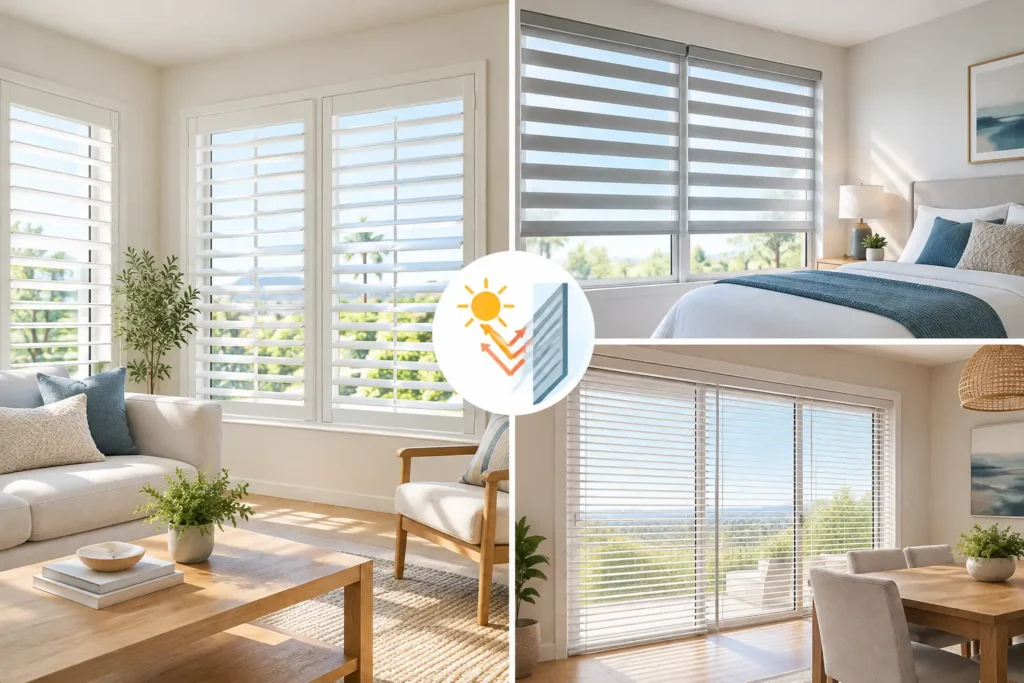
A west-facing window can turn a comfortable room into the warmest spot in the house by midafternoon. The right window treatments that block heat can make that room easier to use, reduce glare, and take some pressure off your air conditioner. But not every shade, blind, or shutter handles heat the same way.
The best choice depends on how much direct sun the window gets, whether you need privacy, how much you want to darken the room, and how the treatment fits the window opening. A good-looking treatment that leaves large gaps around the sides will not perform like one that is properly measured and installed.
What actually keeps heat out?
Most heat at the window comes from sunlight passing through the glass. Once sunlight hits flooring, furniture, and walls, those surfaces release heat into the room. Window coverings help by reflecting light, absorbing some of it, or creating an insulating air pocket between the window and the room.
Fit matters more than many homeowners expect. A treatment mounted close to the glass and sized correctly limits the path warm air has to circulate into the room. Color, material, and openness also matter. Lighter, more reflective fabrics generally handle sun better than dark, open-weave materials, although the right look for your room still counts.
No interior window covering can make a sunny single-pane window perform like a new insulated window. Still, a well-fitted treatment can make a noticeable difference, especially on south- and west-facing windows in the Sacramento area.
Plantation shutters for adjustable heat control
Plantation shutters are one of the strongest all-around options when you want heat control, privacy, and a finished built-in look. Their solid panels sit close to the window, and the louvers let you control direct sun without closing off the room completely.
For daytime heat, you can tilt the louvers upward to bounce light toward the ceiling while reducing direct rays on the floor and furniture. When the sun is beating directly through the glass, closing the louvers more tightly provides better coverage. Full-height shutters and shutters with well-fitted frames generally do a better job than loose blinds because there are fewer open gaps around the edges.
Shutters are not a blackout product. Small lines of light can still appear between louvers, particularly when the sun is low. They are also a larger investment than basic blinds. But they are durable, easy to wipe clean, and useful year-round for both privacy and light control.
For many homeowners, the biggest benefit is flexibility. You can open the panels for a clear view, tilt louvers for filtered daylight, or close them for stronger sun protection. That is hard for a fixed shade to match.
Wood versus composite shutters
Both wood and composite shutters can help with heat when they are built and installed correctly. Wood is lightweight and offers a classic painted or stained look. Composite materials are often a practical choice for areas with heavier moisture exposure or for homeowners who want a sturdy painted finish.
Material alone does not decide performance. The frame fit, louver size, panel layout, and whether the shutters close squarely all affect how well they control light and heat. Loose panels, broken magnets, and louvers that will not stay in position can reduce that benefit. In some cases, a shutter repair is all that is needed instead of replacing the whole unit.
Cellular shades create an insulating pocket
Cellular shades, sometimes called honeycomb shades, are designed with pockets that trap air. That structure can provide very good insulation for a shade, making them a sensible choice for bedrooms, upstairs rooms, and windows that get long periods of direct sun.
They work best when mounted close to the window and lowered fully. Many homeowners like them because they are clean-looking and take up little space when raised. Light-filtering cellular shades soften daylight, while room-darkening fabrics offer more privacy and stronger light reduction.
The trade-off is durability and cleaning. Pleated fabric cells can collect dust and may be harder to clean after spills or pet damage than shutters. They also do not offer the same ability to fine-tune the view and daylight throughout the day. You generally have the shade up, down, or somewhere in between.
Roller shades and solar shades: good for glare, varied for heat
Roller shades can be an effective heat-control option when you choose the right fabric and opacity. A heavier light-blocking or room-darkening fabric will usually reduce more heat and glare than a sheer fabric. A solar shade can cut glare while keeping a view outside, which is helpful in a living room or home office.
The compromise with solar shades is simple: the more open the weave, the more sunlight and heat can still enter. A shade that preserves a bright view may feel much cooler than bare glass, but it will not block heat as aggressively as a more opaque shade or closed shutters.
Roller shades are especially useful for wide windows and sliding doors because they provide broad, simple coverage. For the best result, choose a mount that keeps the fabric as close to the window as practical and gives it enough overlap at the sides.
Zebra shades offer flexible light, with a trade-off
Zebra shades use alternating sheer and solid fabric bands. When the bands line up, they let in filtered light and preserve some visibility. When the solid bands overlap, they create more privacy and reduce direct light.
They are a popular choice when homeowners want a modern appearance and easy day-to-day light adjustment. For heat, though, zebra shades are usually a middle-ground choice rather than the strongest option. Their sheer sections and layered design mean they may not seal out direct sun as well as cellular shades, room-darkening roller shades, or tightly closed plantation shutters.
That does not make them a poor choice. In a room where glare control and style matter as much as maximum insulation, zebra shades can work very well. They are simply not the first recommendation for a west-facing room that feels unbearably hot every afternoon.
Why basic blinds usually do less
Horizontal blinds can redirect sunlight, and closing the slats will help with privacy and glare. However, most blinds leave open spaces between slats and around the edges. Heat can still move through those gaps, especially when the blinds are mounted away from the glass.
Blinds can be a practical budget-conscious option for a secondary room or rental property. Just set expectations correctly. If heat reduction is the main goal, consider a better-fitting shade or shutter before choosing standard blinds.
Match the treatment to the room
A single choice does not have to cover every window in the house. Bedrooms may benefit from cellular or room-darkening roller shades. A family room with changing light may be better suited to shutters or zebra shades. A kitchen window often needs something easy to clean and operate around daily activity.
Start by looking at the hardest window, not the easiest one. Notice when the room gets hot, where the sun lands, and whether glare affects a television, desk, or seating area. West-facing windows usually need stronger afternoon control, while east-facing windows may need help in the morning.
If you already have shutters, check that the panels close evenly, magnets hold, and louvers stay where you set them. A loose tilt rod, worn louver tension, or damaged hinge can make a good shutter less effective and more frustrating to use. Repairing those parts may restore the function you already paid for.
A practical way to choose
If your priority is maximum insulation in a bedroom or hot upstairs room, cellular shades are worth a close look. If you want long-lasting coverage with privacy and adjustable daylight, plantation shutters are often the better all-around investment. If you need glare reduction while keeping a view, solar or roller shades may fit best. If you want a modern layered look and flexible filtered light, zebra shades are a reasonable choice with more modest heat-blocking performance.
The final step is seeing samples at your own windows. Fabric color, window direction, trim depth, and how far the sun reaches into the room are difficult to judge from a photo or a small swatch.
A free in-home quote gives you a chance to compare the options where they will actually be used. For help choosing or repairing window treatments in the Sacramento area, book a free in-home quote at shuttersup360.com or call or text (916) 595-1657.