How to Block Sun From Windows Without Losing Light
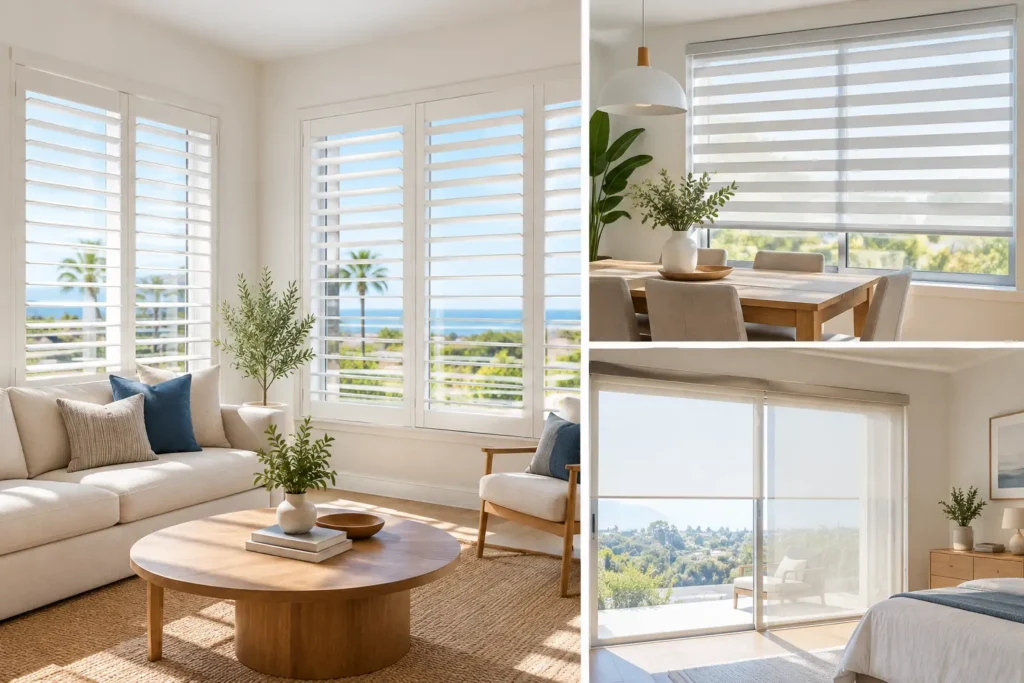
The afternoon sun can turn one side of a Sacramento-area home into the room nobody wants to use. It hits the sofa, washes out the TV, warms the floor, and leaves you closing yourself off from a view you normally enjoy. Learning how to block sun from windows is less about making a room dark and more about choosing the right amount of control for each window.
The best answer depends on where the window faces, how much privacy you need, whether the room gets hot, and whether you want the treatment to look finished from the street as well as inside. Some options are better for glare. Others are better for heat, privacy, or keeping a room bright.
Start with the problem you are trying to solve
Sunlight is not the same problem in every room. A west-facing living room may need relief from intense late-day heat. A home office might only need to stop screen glare for a few hours. In a bedroom, privacy and early-morning light may matter more than keeping the room cool.
Before choosing a window covering, spend a day noticing when the sun is strongest and where it lands. Look at the floor, furniture, artwork, and TV or computer screens. Direct sun can fade fabrics and finishes over time, so the bright patch on the rug is not just an annoyance.
Also think about how often you will adjust the covering. A solution that works well only when it is fully closed can feel limiting in a main living space. For many homeowners, adjustable louvers or shades offer a better balance because they can cut direct rays while still letting in usable daylight.
Plantation shutters give the most day-to-day control
Plantation shutters are one of the most practical ways to block sun without making a room feel closed in. By tilting the louvers, you can direct light upward, reduce glare, and maintain privacy at the same time. Open the panels when you want a clear view or extra airflow, then close the panels fully when the heat is at its worst.
For sun-facing windows, larger louvers can work especially well because they give you broad visibility when open and a clean, simple look when adjusted. The key is proper fit. A custom shutter frame sits closely around the opening, which helps limit the bright gaps common with loose or poorly fitted treatments.
Shutters do have a higher upfront cost than basic blinds, and they are a more permanent design choice. But they hold up well in busy homes, are easy to wipe clean, and offer light control that is hard to match with a fixed curtain panel. They also work well in bedrooms, living rooms, kitchens, and street-facing rooms where privacy matters throughout the day.
If your current shutters are letting in more light than they used to, the problem may not require full replacement. Loose louvers, worn tension screws, damaged magnets, bent tilt rods, and sagging panels can all affect how well shutters close. A repair can often bring back the light control you already paid for.
How to angle shutters for glare and privacy
For daytime glare, tilt the louvers so the front edge angles upward toward the glass. This helps redirect light toward the ceiling rather than straight into the room. Small adjustments make a noticeable difference, especially near TVs and computer screens.
At night, close the louvers more tightly. Interior lights make it easier to see into a home, so the daytime setting that feels private may not be enough after dark. Closing the panels fully offers the strongest privacy and light block.
Zebra shades are a good middle ground
Zebra shades, also called dual shades, use alternating sheer and solid fabric bands. When the bands line up, light filters through the sheer sections. Shift the shade slightly, and the solid bands overlap to create more privacy and shade.
This makes zebra shades a strong choice for homeowners who want a cleaner, softer look than blinds but more flexibility than a standard roller shade. They are especially useful in rooms where you want daylight during the day but need to cut glare quickly.
There is a trade-off. Zebra shades filter sunlight well, but they usually do not block as much heat or light as tightly closed shutters or a blackout shade. If a bedroom gets strong sunrise light or a west-facing room becomes very hot, you may want a more room-darkening fabric or shutters instead.
For a large window that needs gentle light control rather than total coverage, zebra shades can be a very comfortable option. They are also simple to operate and take up little visual space when raised.
Roller shades work best when you need a simple screen
Roller shades are a straightforward way to reduce glare and UV exposure. Solar screen fabrics can cut harsh sunlight while preserving part of the view outside, which is useful in a family room or office. A room-darkening or blackout fabric provides much stronger coverage when light needs to stay out.
The fabric openness matters. A more open weave allows more light and a clearer view but provides less privacy and sun control. A tighter weave gives better shading but makes the window feel more covered. There is no single best choice – it comes down to whether the view or the light control is more valuable in that room.
One limitation of any roller shade is that it is generally all the way up or all the way down. That is perfectly fine for a bedroom, media room, or a window where the sun is only a problem at certain times. It is less flexible than shutters when you want to manage light hour by hour.
Blinds can solve a budget problem, with a few compromises
Blinds remain a useful option for many windows. Their slats can be tilted to reduce direct sun, and they come in a range of materials and styles. They are often a sensible fit for a secondary room, rental property, or a homeowner who needs coverage without making a larger investment.
That said, most blinds have more small gaps than shutters. Light can leak between slats and along the sides, and lightweight blinds may bend or tangle over time. They can still do a good job with glare, but they are usually not the best choice for a room that gets heavy heat or needs a more finished appearance.
For windows near moisture, such as kitchens or bathrooms, choose a material that is easy to clean and will not warp. Faux wood and aluminum styles are often easier to maintain than natural wood in those spaces.
Add a few simple habits for better sun control
The right covering does most of the work, but timing helps. Close or adjust treatments before direct sun reaches the glass. Waiting until the room is already hot means the furniture, flooring, and interior surfaces have started absorbing that heat.
Keep louvers and shade fabrics clean, too. Dust does not stop them from working, but a clean treatment looks better and operates more smoothly. Use a soft duster or vacuum brush attachment on shutters and blinds. For most shades, gentle dusting is enough; avoid soaking fabric unless the manufacturer specifically allows it.
If you are measuring for a new treatment, do not assume every window opening is square. Measure the width at the top, middle, and bottom, then measure the height on both sides and in the center. Small differences matter, particularly for inside-mounted shades and custom shutter panels. A professional in-home measurement removes the guesswork and helps catch trim, handles, cranks, and other details that affect the fit.
How to block sun from windows room by room
In a bedroom, prioritize room-darkening coverage and privacy. In a home office, focus on adjustable glare control that still lets in daylight. For a living room, shutters or zebra shades often provide the most comfortable mix of light, privacy, and appearance. In a kitchen, choose something durable and easy to wipe down.
The most effective window covering is the one you will actually use. If a treatment is awkward to operate, looks too heavy, or blocks a view you love, it will likely stay open when you need it most. A good fit should make the room more comfortable without asking you to give up what you like about the window.
If you are comparing shutters, shades, or blinds for a bright room – or if existing shutters need a little help closing properly – Shutters Up 360 can look at the window in person and give you a practical recommendation. Book a free in-home quote at shuttersup360.com or call or text (916) 595-1657.